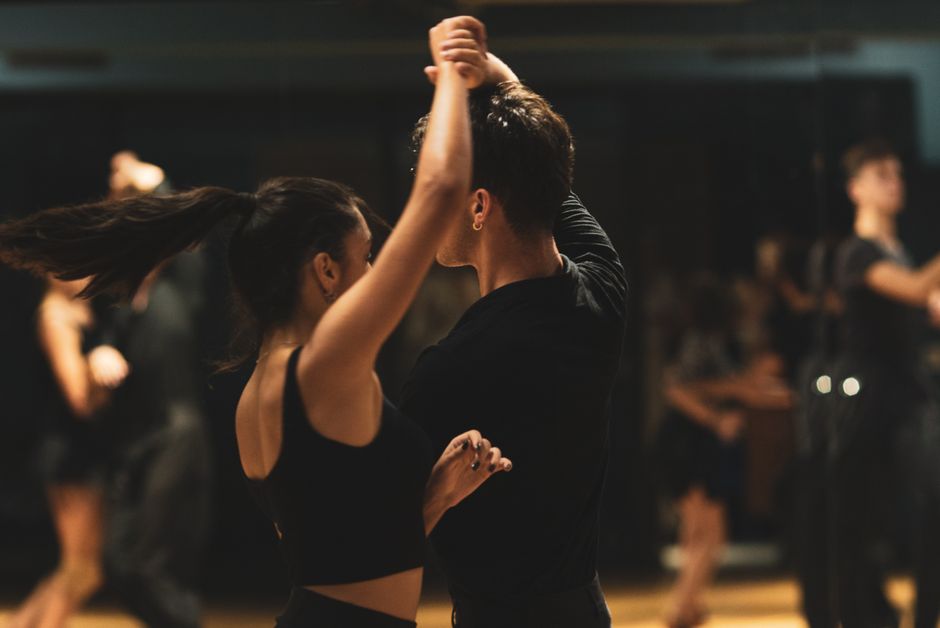
Whether you're stepping onto the dance floor for the very first time or simply looking to brush up on your social skills, knowing the unwritten rules of ballroom dancing can make the experience far more enjoyable for everyone involved. This guide walks Sydney beginners through everything they need to know about ballroom dance etiquette, from the moment you arrive to the final bow.
Understanding the Basic Rules of Ballroom Dance Etiquette
Ballroom dancing is as much about respect and courtesy as it is about footwork and rhythm. Before you even think about mastering the waltz or the foxtrot, understanding the foundational rules of dance floor behaviour will set you apart as a considerate partner and a welcome presence at any Sydney dance studio or social event.
Here are the core principles every beginner should know:
- Ask politely and accept graciously. When inviting someone to dance, a simple, friendly request is always appropriate. Equally, if you decline an invitation, do so kindly and without lengthy explanations.
- Respect personal space. Maintain a comfortable hold that suits both partners, particularly when dancing with someone for the first time.
- Travel in the line of dance. Most ballroom dances move counter-clockwise around the floor. Staying aware of this flow prevents collisions and keeps the evening running smoothly.
- Avoid coaching on the floor. Unless specifically asked, save feedback for after the dance. Unsolicited corrections can feel discouraging and disrupt the mood.
- Rotate partners regularly. Social dancing thrives on variety. Many Sydney venues encourage dancers to change partners throughout the evening, a tradition shared across styles including Ceroc and other partner dances.
These guidelines create an atmosphere where beginners feel welcomed and experienced dancers feel respected. Getting these basics right from day one builds confidence and ensures you're invited back onto the floor time and time again.
How to Ask Someone to Dance and Accept or Decline Gracefully
One of the first social hurdles you will face on any Sydney ballroom dance floor is the simple act of asking someone to dance — or responding when someone asks you. Getting this right sets the tone for a pleasant evening and reflects well on your character as a dancer.
When approaching someone, keep your manner warm but understated. Make eye contact, smile, and offer a clear, polite invitation such as "Would you like to dance?" Avoid hovering awkwardly or interrupting a conversation mid-sentence. Wait for a natural pause, then extend your hand as a gentle gesture of invitation.
At most Sydney social dance nights, it is perfectly acceptable for anyone to ask anyone — regardless of gender or lead/follow role. Do not let convention hold you back if you are keen to get on the floor.
When accepting, respond warmly and move to the floor promptly. A simple "I'd love to" or "Thank you" is all that is needed. Avoid leaving your partner waiting while you finish a lengthy chat.
Declining is equally important to handle well. If you need to sit a dance out due to tiredness, an injury, or simply needing a break, a polite refusal is completely acceptable. Use language like "Thank you so much, but I'm resting this one" — and crucially, if you decline one person, do not immediately accept the next person who asks. That is considered poor form and can cause genuine offence.
A few key reminders for beginners:
- Always thank your partner after the dance, regardless of how it went
- Return your partner to the area where you found them — this is standard courtesy
- Accept dances from dancers of all levels; everyone was a beginner once
- Never criticise or correct your partner on the social floor unless asked
Mastering these small courtesies will quickly earn you a reputation as a considerate and enjoyable dance partner.
Dress Code and Personal Presentation at Sydney Ballroom Events
First impressions matter enormously on the ballroom floor, and arriving well-presented signals respect for your partner, fellow dancers, and the venue itself. Sydney's ballroom dance scene ranges from relaxed social nights at local studios to more formal competitions and showcase events, so understanding what to wear to each setting is an important part of beginner etiquette.
For casual social dances and beginner classes, smart-casual attire is generally expected. Women typically opt for skirts or dresses that allow free leg movement, while men do well in dress trousers and a collared shirt. As you progress toward more formal Sydney ballroom events, expectations naturally rise:
- Women: Flowing gowns, Latin dresses, or elegant cocktail wear with appropriate dance shoes
- Men: Suits, waistcoats, or tailored trousers paired with a dress shirt — bow ties are a welcomed touch at formal evenings
- Footwear: Proper dance shoes with suede soles are strongly encouraged; street shoes can damage sprung dance floors and compromise your own movement
Beyond clothing, personal grooming plays a quietly significant role. Because ballroom dancing involves close physical proximity, freshness is a genuine courtesy. A light, non-overpowering fragrance, clean hair, and tidy nails all contribute to a comfortable experience for your partner.
It is also worth thinking practically about comfort at home before you head out. Much like preparing a room in your house — choosing the right materials, ensuring everything fits properly and functions well — dressing for a ballroom event is about preparation and suitability for purpose. Clothes that restrict movement, shoes that slip, or accessories that snag can all interrupt the flow of a dance and distract from the experience.
When in doubt, check with your Sydney dance studio or event organiser ahead of time. Most are happy to clarify dress expectations so you can arrive confident and ready to dance.
Floor Craft and Navigation on the Dance Floor
One of the most practical skills any beginner can develop at a Sydney ballroom venue is what experienced dancers call floor craft — the ability to move safely and considerately around a shared dance floor without colliding with other couples or disrupting the flow of the room.
Most ballroom dances follow what is known as the line of dance, an invisible counter-clockwise track that runs around the perimeter of the floor. Progressive dances like waltz, foxtrot, and quickstep all travel along this line. As a beginner, understanding and respecting this convention is essential from your very first lesson.
Here are the core floor craft principles every newcomer should keep in mind:
- Travel with the flow: Always move in the same direction as surrounding couples. Moving against the line of dance is the ballroom equivalent of driving the wrong way down a one-way street.
- The leader steers: In traditional ballroom partnerships, the lead role carries responsibility for navigating around the floor and avoiding collisions. This requires awareness of the full 360 degrees around the couple.
- Slow down, don't stop: If traffic builds up ahead of you, reduce your step size rather than stopping abruptly — halting suddenly can cause a pile-up behind you.
- Stay in your lane: Faster or more advanced couples typically travel near the outer edge; newer dancers often keep closer to the centre of the floor.
- Apologise gracefully: Accidental bumps happen — a brief, sincere acknowledgement goes a long way in maintaining the friendly atmosphere Sydney dance studios are known for.
Good floor craft is really just spatial awareness paired with genuine consideration for others — values that translate well beyond the dance floor. Much like creating a comfortable and well-organised living space, a well-navigated ballroom floor benefits everyone sharing it. If you enjoy learning structured, practical skills, you might also find plenty of inspiration in the full articles library at Seek Home Comfort.
Partner Communication and Respectful Behaviour During Dances
One of the most important — yet often overlooked — aspects of ballroom dancing is how you communicate with your partner on and off the floor. Whether you are leading or following, clear, respectful interaction makes the experience enjoyable for everyone involved, and it is something Sydney dance communities take seriously.
Before a dance begins, a simple verbal invitation or a polite gesture is always the right approach. Never grab someone's hand and pull them onto the floor without asking first. A brief "Would you like to dance?" shows consideration and sets a positive tone from the very start.
During the dance itself, keep these principles in mind:
- Use appropriate physical contact. Hold your partner in the correct frame for the dance style — not too tight and not too loose. Maintain the standard hold unless you both agree otherwise.
- Communicate non-verbally. Experienced dancers use subtle body signals to guide or respond. As a beginner, focus on staying relaxed and attentive so your partner's lead or follow comes through clearly.
- Avoid over-correcting your partner. Unless you are in a structured lesson setting, it is considered poor etiquette to critique another dancer's technique on the social floor.
- Say thank you. At the end of every dance, acknowledge your partner with a genuine thank you and, if appropriate, a small bow or curtsy — a traditional gesture that remains common in Sydney ballroom circles.
If something feels uncomfortable at any point — whether that is an overly firm grip or an inappropriate comment — it is entirely acceptable to politely end the dance and step away. Respectful behaviour is a two-way responsibility, and reputable dance venues in Sydney uphold clear standards of conduct for all attendees.
Remember: good partner etiquette builds trust, improves your dancing, and ensures everyone leaves the floor feeling welcome and valued.
Finding Beginner-Friendly Ballroom Dance Venues in Sydney
Just as choosing the right tools makes a home improvement project far less daunting, finding the right venue can make your first steps into ballroom dancing a genuinely enjoyable experience. Sydney has a healthy selection of studios and social dance venues that welcome complete beginners with open arms.
- Inner-city dance studios: Areas like Surry Hills, Newtown and the CBD are home to dedicated ballroom and Latin dance studios that run structured beginner group classes on weekday evenings and weekend mornings. Look for studios that advertise no-partner-required sessions, which are ideal when you are just starting out.
- Community halls and clubs: Many local councils across Sydney's north shore, western suburbs and eastern beaches host affordable social dance nights in community halls. These informal evenings tend to be relaxed, welcoming and budget-friendly.
- Dance schools with trial classes: Several established Sydney dance schools offer a free or low-cost first lesson so you can test the atmosphere before committing. Take advantage of these to find instructors whose teaching style suits you.
- Social dance events: Organised milongas, tea dances and social ballroom evenings run regularly across Sydney. Many explicitly welcome beginners and even pair them with experienced dancers for guidance on the floor.
When evaluating a venue, consider floor size, the quality of instruction, class sizes, and how welcoming the existing community feels. A good beginner venue will prioritise clear communication, patient teaching and a pressure-free environment over performance and competition.
Ballroom dancing is ultimately about enjoying movement and connection with others — and Sydney's dance community is one of the most accessible in Australia for those just getting started.
Stepping onto a ballroom floor for the first time can feel as nerve-wracking as tackling an unfamiliar home project, but with the right preparation, venue and mindset, it quickly becomes second nature. By understanding the unwritten rules of etiquette, dressing appropriately, respecting your partner and choosing a welcoming Sydney venue, you will set yourself up for a rewarding experience that keeps you coming back to the dance floor time and again.