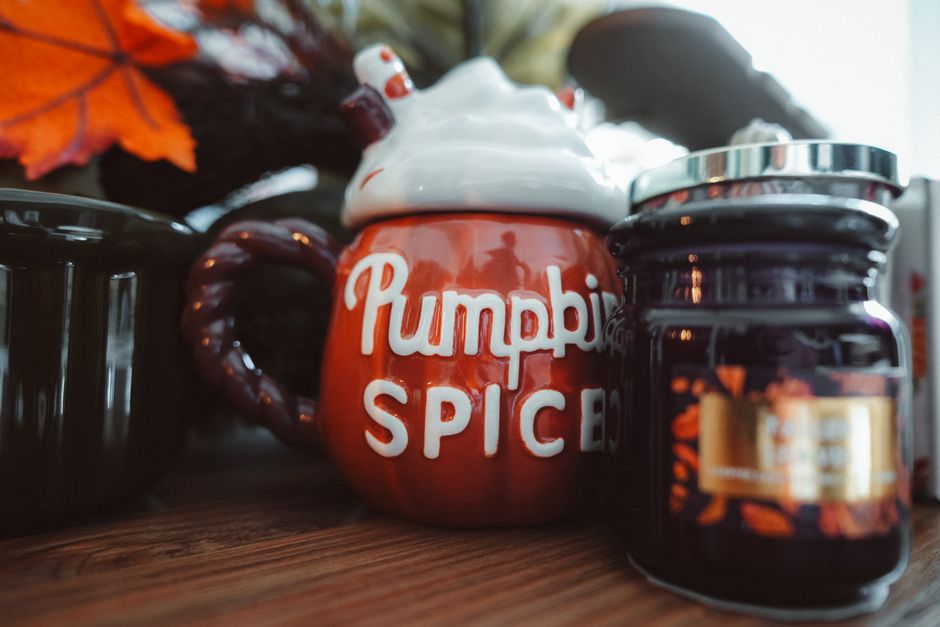
When the temperature drops and evenings draw in earlier, the way your home smells becomes just as important as how it looks, and choosing the right scents, room by room, can transform a draughty house into a genuinely cosy retreat. This guide walks through layering candles, diffusers and personal fragrance across your living spaces, starting with the science behind why certain notes feel so instinctively warming.
What Makes Warm Amber Fragrances Feel So Inherently Cosy
Warm amber fragrances occupy a unique space in the world of home and personal scent: they don't smell like a single raw ingredient so much as a feeling. True amber in perfumery is typically a blend of resins, labdanum, benzoin and sometimes vanilla, producing a rich, slightly sweet, powdery depth that the brain associates almost instinctively with warmth and safety.
The Psychology Behind the Warmth
Scent is processed directly by the limbic system, the brain's emotional and memory centre, which is why certain fragrances trigger a physical sense of comfort before you've even consciously registered them. Amber's warm, resinous character mimics the olfactory cues of woodsmoke, candlelight and shelter: sensory signals that our nervous systems have long associated with security. Research into synthetic aroma chemicals used in fragrance shows how modern perfumery recreates these ancient associations with remarkable precision.
Why Amber Works So Well at Home
Unlike sharper citrus or green notes, warm amber fragrances have a low volatility: they linger and evolve slowly, building in a room rather than disappearing within minutes. This staying power makes them particularly effective in:
- Candles: where heat encourages the heavier resin molecules to diffuse gradually
- Reed diffusers: where sustained release suits amber's naturally long-lasting character
- Upholstery and soft furnishings: which absorb and re-release amber's depth over hours
That combination of psychological association and physical longevity is precisely why amber, vanilla and resin notes have become the go-to palette for cosy home fragrance through autumn and winter.
The Science and Sensory Psychology Behind Warm Amber Fragrances
When warm amber fragrances fill a room, the reaction they trigger is not purely aesthetic: it is deeply physiological. Amber, vanilla and resin notes belong to the oriental and gourmand fragrance families, and they share a chemical profile that the human brain is primed to associate with safety, warmth and nourishment. Understanding why helps explain why these scents feel so instinctively right during the cooler months.
Why These Notes Feel Warm (Even When They Are Not)
Amber is not a single raw material but a blended accord, typically built from labdanum resin, benzoin, vanilla and sometimes a touch of musk. Together these molecules activate the brain's limbic system, the region that governs emotion and memory. Vanilla, in particular, contains vanillin, a compound structurally similar to certain food aromas, which is why it reliably triggers associations with comfort and reward. Resin notes such as benzoin and frankincense have been used in ritual and domestic settings for thousands of years, and that ancestral familiarity appears to be embedded in how we process them emotionally.
Scent, Temperature Perception and Mood
Research into olfactory psychology consistently shows that certain fragrance profiles can influence our perceived temperature, spiced, resinous and sweet-woody scents make people rate a room as feeling warmer than it actually is. This is a meaningful advantage when you are trying to create a cocooning atmosphere at home without turning up the thermostat. Amber accords also tend to have a low volatility, meaning they diffuse slowly and linger rather than spiking and fading, exactly the kind of sustained, enveloping presence that reads as genuinely cosy rather than artificially perfumed.
- Amber: Resinous, warm and slightly powdery, the backbone of cosy layering
- Vanilla: Sweet, creamy and psychologically associated with comfort and reward
- Resins (benzoin, labdanum, frankincense): Deep, smoky and ancient, grounding and calming
Room-by-Room Guide to Layering Warm Amber Fragrances Through Cooler Months
Getting scent right at home isn't just about choosing a single candle you love: it's about understanding how warm amber fragrances and complementary notes can anchor each room differently, creating a cohesive sensory journey through your home as the temperature drops. Here's how to approach each space with intention.
Living Room: Your Anchor Layer
This is where you want the boldest, most grounding scent. A large amber and sandalwood candle works beautifully here, supported by a reed diffuser carrying vanilla or benzoin resin. The combination fills a larger space slowly and evenly, building that unmistakable sense of warmth before anyone has even sat down.
Hallway: The First Impression
Scent hits your guests here first. A plug-in or wall diffuser with an amber and cedarwood blend introduces the warm, resinous mood of your home immediately, without overwhelming a smaller, less-ventilated space.
Bedroom: Softer and Sleepier
Scale back the intensity. A small soy candle or linen spray with warm amber fragrances blended with lavender or tonka bean creates comfort without heaviness. Burn it for an hour before bed, then let the residual scent do the rest.
Kitchen and Dining Area: Keep It Light
Avoid competing with cooking aromas. Subtle amber paired with spiced orange or clove in a wax melt or low-throw candle adds warmth without clashing with food smells.
Home Office or Reading Nook: Focused Comfort
A single amber and patchouli candle here can make a small, dedicated space feel genuinely restorative, the kind of detail that transforms a functional room into one you actually want to spend time in.
For more ideas on creating a home you truly enjoy living in, browse the Home & Living guides or explore the full articles library at Seek Home Comfort.
Choosing the Right Scent Format for Each Room: Candles, Diffusers and Warm Amber Fragrances
Not every fragrance format works equally well in every space, and understanding the strengths of each delivery method is what separates a genuinely cosy home from one that simply smells busy. rich, warming amber-led fragrances are a brilliant case in point: their depth and resinous sweetness come through differently depending on whether you're burning a candle, running a diffuser or applying a personal scent.
- Living rooms and lounges are ideal candidates for candles. The soft, flickering light reinforces the sensory warmth that amber and vanilla notes already create, making the whole experience feel intentional rather than incidental. Choose a candle with a strong cold and hot throw so the scent fills the room without you needing to burn more than one at a time.
- Bedrooms suit reed diffusers or ultrasonic diffusers best. These provide a low-level, continuous scent that won't overwhelm a sleeping environment or pose any overnight safety concern. Resin and sandalwood blends work particularly well here, subtle enough not to disturb sleep, present enough to feel comforting.
- Bathrooms and hallways benefit from compact diffusers or scented room sprays, where airflow is often too unpredictable for candles to perform reliably. A quick-dispersing amber or musk spray can transform a utilitarian space into something that feels genuinely welcoming.
- Personal fragrance becomes its own layer when you move between rooms. Wearing a warm, resinous scent on your skin adds continuity: it travels with you through the house, tying the individual scent zones together rather than leaving them feeling disconnected.
Think of each room as having its own scent budget: a format, an intensity and a note profile suited to how that space is actually used throughout the day.
Building a Cohesive Scent Wardrobe: From Warm Amber Fragrances in Your Rooms to Your Skin
Warm amber fragrances work so well in the home because they share DNA with the perfumes we love wearing in cooler months, and that overlap is worth leaning into deliberately. When your living spaces and your skin carry complementary notes, the effect is quietly harmonious rather than accidental. Think of it as a scent wardrobe: just as you coordinate textures and tones in your winter dressing, you can layer fragrance across rooms and personal wear so everything feels intentional and cohesive.
Matching Your Personal Fragrance to Your Home's Scent Palette
Start by identifying the dominant note family in your home diffusers and candles. If your sitting room leans toward benzoin and vanilla, a personal fragrance built around similar resinous warmth, think oriental or gourmand categories, will feel like a natural extension rather than a clash. Amber itself sits beautifully across both home fragrance and personal perfume; it reads as skin-close and intimate, which is exactly why it bridges the two so effortlessly.
- For evenings in: match a heavier, resinous room fragrance with an amber-forward eau de parfum for a fully immersive cosy atmosphere.
- For daytime comfort: lighter amber and sandalwood diffusers pair well with warmer, softer personal scents that won't compete.
- Transition spaces: hallways scented with a subtle woody base ease you from outside cold into your home's warmer fragrance story, mirror that in a layered body lotion before you reach for your perfume.
The goal isn't uniformity but continuity, a gentle thread of warmth that follows you from the front door to the bedroom.
Scent is one of the simplest and most affordable ways to transform how a home feels during the colder months. By thinking room by room, choosing notes like amber, vanilla and resin with intention, and extending that warmth into your personal fragrance, you create a living environment that genuinely wraps around you, comfort you can smell as well as feel.