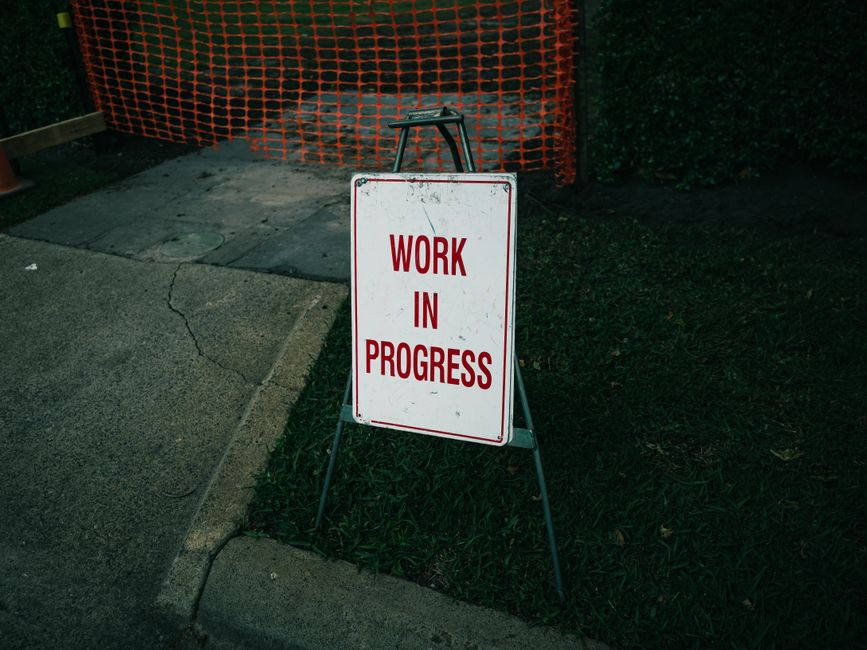
Whether you are building a new pool from scratch or carrying out significant renovation work around an existing one, managing site safety from day one is a responsibility that falls on every homeowner and contractor involved. This guide walks you through everything you need to know about temporary pool fencing during construction, from legal obligations to practical installation tips.
Why Temporary Pool Fencing Is Required During Construction
When a pool is being built or renovated, the excavation site and surrounding work zone create serious hazards, particularly for young children and pets. Even before water is present, an open pit can be just as dangerous as a filled pool. This is why most Australian states and territories, along with many local councils, require compliant barriers to be in place throughout the entire construction period, not just once the pool is complete.
Temporary fencing serves as the first line of defence on any active construction site, and pool builds are no exception. The legal requirements stem from pool safety legislation designed to prevent drowning incidents, which remain one of the leading causes of accidental death in children under five in Australia.
Beyond the legal obligation, there are several practical reasons why temporary pool fencing matters during construction:
- Child and pet protection: Unsupervised access to excavation sites and open water risks can be eliminated with a proper barrier.
- Liability reduction: If an unauthorised person enters your site and is injured, you may face serious legal consequences without adequate fencing in place.
- Compliance with building approvals: Many councils will not issue final occupancy certificates if compliant temporary fencing was not maintained throughout the build.
- Site security: Fencing also deters theft of materials and equipment left on site overnight.
Understanding these requirements before work begins helps you avoid fines, delays and, most importantly, preventable accidents on your property.
Australian Standards and Legal Requirements for Construction Sites
If you are managing a construction project in Australia, understanding your legal obligations around temporary pool fencing is not optional. It is a core part of responsible site management, and getting it wrong can carry serious consequences including fines, project delays and liability for any accidents that occur.
The primary standard governing pool barriers across Australia is AS 1926.1-2012 (Pool Safety Barriers). This standard sets out the minimum requirements for barrier height, gap tolerances, latch mechanisms and climbability. Temporary fencing installed around pools or excavations on construction sites must meet or exceed these specifications, regardless of how short the installation period is.
Beyond the Australian Standard itself, each state and territory applies its own legislation. Key points to be aware of include:
- Barrier height: A minimum of 1.2 metres is required in most jurisdictions, measured from the finished ground level on the outside of the barrier.
- Non-climbable zones: There must be a non-climbable zone of at least 900 mm on the outside face of the fence to prevent children from gaining footholds.
- Self-closing, self-latching gates: Any gate forming part of the barrier must close and latch automatically, with the latch positioned so it cannot be easily reached by a young child.
- Council approval and inspection: Many local councils require notification or inspection before construction begins near an existing pool or water feature.
Safe Work Australia guidelines also apply on active construction sites, meaning your temporary fencing must satisfy both pool safety requirements and broader workplace health and safety obligations simultaneously.
The practical takeaway for any homeowner or builder is straightforward: always source compliant temporary pool fencing from a reputable supplier, keep documentation confirming the product meets AS 1926.1-2012, and check with your local council before installation begins. A little preparation here protects both the people on site and the progress of your project.
Types of Temporary Pool Fencing Available
Choosing the right type of temporary pool fencing for your construction project comes down to your site layout, budget and local compliance requirements. There are several practical options on the market, each suited to different situations.
- Mesh panel fencing: This is the most common choice on Australian residential construction sites. Galvanised steel mesh panels slot into weighted plastic feet, making them quick to set up, reposition and remove. They are sturdy, highly visible and generally meet Australian Standard AS 1926.1 requirements for pool barrier height.
- Chain-link or cyclone fencing: A more robust option for larger sites or longer construction timelines. Chain-link panels are harder to knock over and offer excellent perimeter security, though installation takes more time and equipment.
- Aluminium temporary barriers: Lightweight and rust-resistant, aluminium panels work well in coastal or high-humidity environments where steel mesh may corrode over time. They are a smart pick if your project is near the water.
- Shadow mesh fencing: A fabric-covered variant that reduces dust and debris moving through the site. While primarily used for construction perimeters, shadow mesh can double as a pool barrier when properly supported and fitted with compliant self-closing gates.
Regardless of which type you choose, every temporary pool fence must include a self-latching, self-closing gate that opens away from the pool area. This is a non-negotiable safety and compliance point in every Australian state and territory.
If you are weighing up which solution best fits your overall renovation plan, the Renovation and Design guides on Seek Home Comfort cover a wide range of project-planning topics that can help you make a more informed call. For general maintenance advice that complements your build, the Home Repair section is also worth a browse before you finalise your site setup.
How to Install and Maintain Temporary Pool Fencing Safely
Installing temporary pool fencing correctly is just as important as choosing the right system. Even the best-quality panels provide little protection if they are set up poorly or allowed to fall into disrepair during a long construction project. Follow these steps to get the job done safely and in line with Australian standards.
- Mark out your perimeter first. Walk the pool area and identify where each panel and post will sit. Keep the fence at least 900mm from the pool edge where possible, giving workers safe access without compromising the barrier.
- Use weighted or ground-socket bases correctly. Weighted bases must be fully loaded before the fence is considered secure. Ground-socket posts should be driven to the depth specified by the manufacturer, typically 300–400mm, to prevent tipping.
- Ensure gate latches are self-closing and self-latching. Every gate on a temporary pool fence must swing away from the pool and latch automatically at a height young children cannot reach (at least 1500mm from the ground).
- Check panel connections at every join. Loose couplings between panels are a common weak point. Inspect and tighten these daily, especially after high winds or when workers have moved around the perimeter.
- Remove climbable objects from inside the fenced zone. Ladders, toolboxes and stacked materials placed near the fence give children easy footholds. Keep the area inside the barrier clear at the end of every work day.
Maintenance is not a one-off task. Set a simple weekly inspection routine covering post stability, panel alignment, gate function and the condition of locking hardware. Document each check in a site log. If you notice corrosion, bent posts or damaged mesh, replace those components immediately rather than waiting for a scheduled hire changeover. A well-maintained temporary fence stays compliant and keeps your site safe from the first day of excavation right through to handover.
Choosing a Supplier or Hire Company for Your Construction Project
Not all temporary pool fencing suppliers are created equal, and picking the right hire company can save you time, money and a lot of compliance headaches. Here are the key factors to weigh up before you commit:
- Local compliance knowledge: Choose a company that understands the specific pool fencing regulations in your state or territory. Requirements vary across Australia, and a knowledgeable supplier will help you avoid costly mistakes before an inspector visits.
- Panel quality and condition: Ask whether the panels meet Australian Standard AS 1926.1. Reputable hire companies maintain their stock regularly, so inspect panels for bent uprights, missing clips or damaged mesh before accepting a delivery.
- Flexible hire terms: Construction timelines shift. Look for a supplier that offers rolling weekly or monthly hire periods rather than rigid fixed contracts, so you are not paying for fencing you no longer need.
- Fast delivery and pickup: A company with reliable logistics is essential. Delays in getting fencing on-site can halt your project if council or your certifier requires barriers before work begins.
- Clear pricing with no hidden fees: Get a written quote that itemises delivery, pickup, damage waiver and any after-hours surcharges. Comparing two or three quotes gives you a realistic benchmark.
- Positive reviews and references: Check Google reviews or ask the company for references from other construction or renovation clients. Consistent feedback about punctuality and professionalism is a strong signal.
Many home improvement projects involve juggling multiple trades and tight deadlines. A dependable fencing hire company becomes one less thing to worry about.
Temporary pool fencing during construction is far more than a box-ticking exercise. It protects lives, keeps your project legally compliant and reduces liability at every stage of the build. By understanding the regulations, choosing quality barriers, maintaining them properly and partnering with a reliable supplier, you give your construction site the safety foundation it genuinely needs from day one through to handover.